Monday, January 23, 2017

Homemade Electric Motor


Over the course of 5 weeks, including over 24 hours of work, I made an electric motor with a couple nails, magnet wire, iron straps, copper, tape, lamp wire, screws, and a piece of wood. The motor’s ultimate goal was to pull a Matchbox car, in which it will attempt to do on Wednesday, January 24th. In my trials, the motor has spun at speeds between 10 rotations per second, and spinning fast enough that I was not able to count rotations.
            To build the motor, I first had to build the base magnet. I bent an iron strap into a U shape and wrapped 400 rotations of magnet wire around the base. Next, I took an iron rod and cut it to be 6 inches long. After that, I taped 2 nails cut to be 2.5 inches around the rod. I then wrapped 4 layers of wire around the two nails. This would be the armature. Next, I created a commutator out of tape and pieces of metal I had. After that, I soldered the ends of the wire from the armature onto the commutator. Finally, I assembled it.

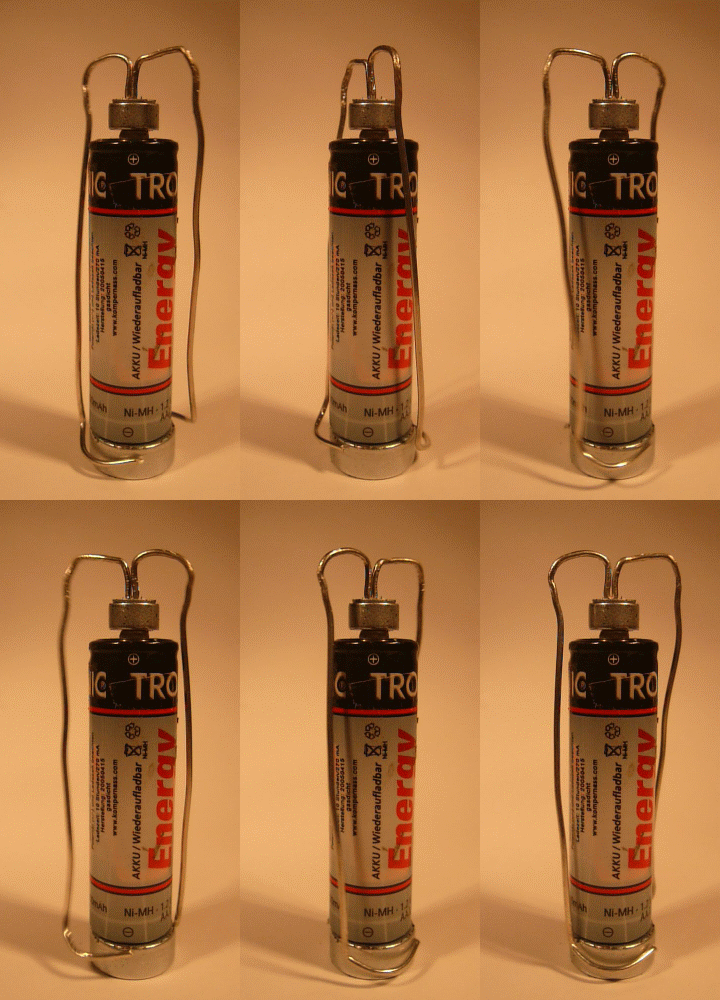
            Once assembled, I created brushes out of lamp wire and attached them to the battery and the wire from the base magnet. When I started up the motor, it didn’t work the first time, the second time, or even the third time.
 

            When troubleshooting, I replaced the brushes, commutator, rewrapped the base magnet, and completely disassembled and later reassembled the entire project, until the motor spun.
Eventually, the motor finally worked, and for a while, it was fine. However, when I tried to test the motor with a car, the motor ceased to spin, even before I attached the car. At this point, I redid the commutator and redid the brushes. After this, the motor still wouldn’t spin, so I reset the polarization of the magnetic fields with the battery and wire. After I did this, the motor worked.

            During tests with a model car significantly heavier than what I will be competing with, the motor took 8 seconds to pull a car 4 meters with friction and other detrimental factors that will be eliminated in Breuckner Hall. I predict that my motor will pull the car 4 meters between 2 and 4 seconds.

Sunday, January 22, 2017

The Electric Motor

            Electric motors, one of the most important inventions the world has ever seen.  The technology in them is used in cars, boats, planes, ceiling fans, and even blenders! By turning electricity into motion, it unlocked a world of possibilities.
 motor
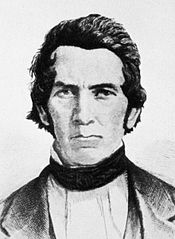
Image result for thomas davenport inventor            In 1834, Thomas Davenport invented the first usable electric motor. Although it was not the first motor, it was the first one that could benefit humankind. With his first motor, he ran a model trolley around a circular track. Although the full-sized trolley would not be invented until after his death, this miniature was revolutionary, as it was one of the first uses of electricity. Once the full-sized trolley was invented, it would become the first mode of public transportation, helping people get to work and paving the way for cars and busses.


            Another early engineer, Hippolyte Pixii discovered that by running the motor backwards, he was able to generate sparks. He used this newfound knowledge to invent generators. Without this, we would not heave electricity in our homes, as prior to this, the only way to use electricity was through batteries. To use batteries to power homes proved inefficient, and this invention is essential for modern life.


            Motors are relatively simple pieces of machinery. They are powered by two forces- electricity and magnetism. When electricity flows through a coil of wire, it creates an electromagnet. When another current is sent down another coil, positioned 90 degrees from the first, it creates a second electromagnet within the pull of the first. The attraction causes the wires to pull on each other, creating movement.

            Motors are used in hundreds, if not thousands of modern inventions. Some examples are:
·      Engines                                
·      Generators/Dynamos
   Food processors                   
·      Elevators
·      Fans
·      DVD/CD players
·      Steel Mills
·      Conveyor belts                    
·      And many more